
Clinton, AR
Pet
Pediatrics
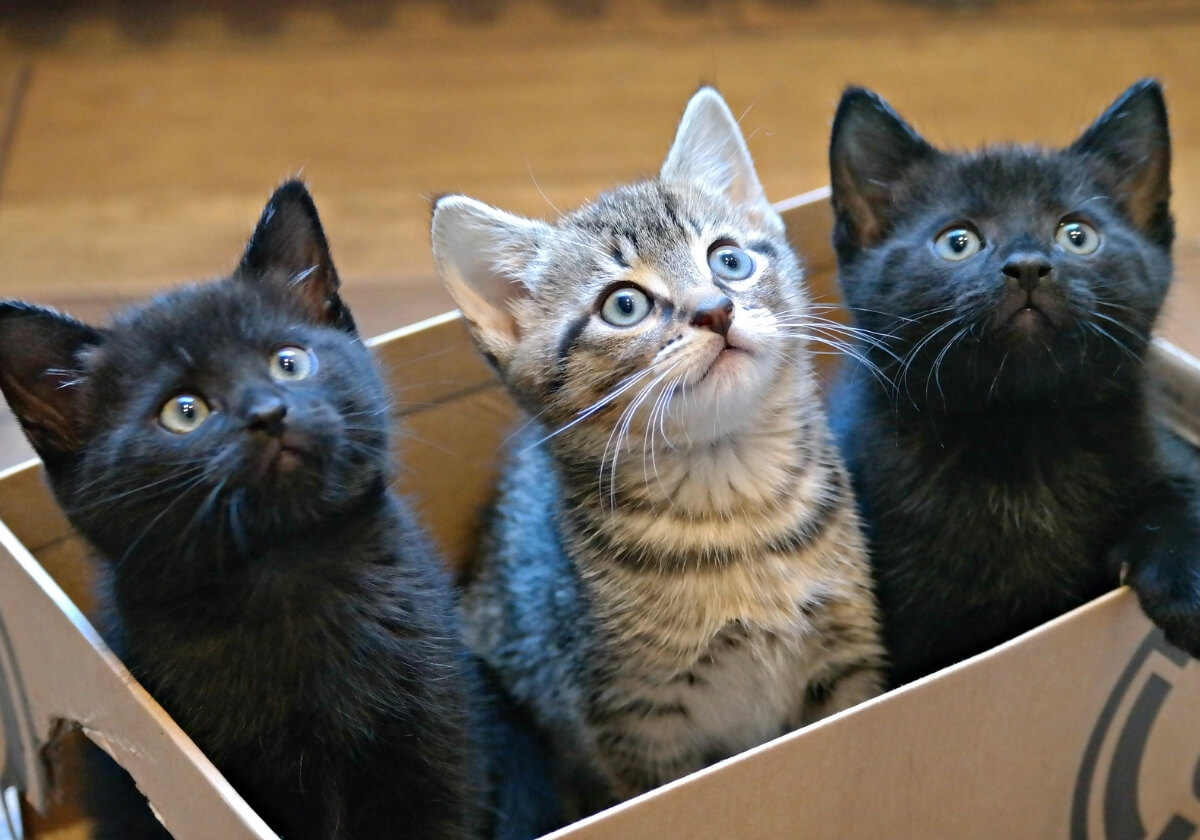
Kitten Care
Our kitten pediatrics program is designed to offer your new kitten all the benefits of veterinary care available to him/her from 6 weeks of age to 12 weeks of age. This service includes a series of examinations and vaccinations, including rabies, panleukopenia (feline distemper), leukemia, viral rhinopneumonitis, and chlamydia infection.
In addition, your kitten will be treated for hookworms and roundworms. Hookworms are blood-sucking parasites that often cause severe anemia in kittens. Roundworms can cause your kitten to vomit and/or experience diarrhea; however, it is possible for your kitten to have roundworms and not show any signs of harboring the worms. Kittens in this climate zone are generally assumed to be infested with roundworms and hookworms, which are maternally acquired in-utero. Other intestinal parasites such as tapeworms, coccidia, and giardia may also cause kittens to have intestinal problems. Once diagnosed, they are easily treated with the appropriate pharmaceuticals. It’s also important to start flea and tick control on kittens before they become infested. Because cats (especially kittens) are very sensitive to insecticides, it is important to use only products that veterinarians recommend.
We strongly recommend spaying and neutering kittens as soon as they have reached the age of immune competency. The ideal time for this surgery is 12 to 20 weeks.
Puppy Care
Our puppy pediatrics program is designed to offer your new puppy all the benefits of veterinary services from 6 weeks of age to 16 weeks. This service includes a series of examinations and vaccinations, including rabies, distemper, parvovirus, adenovirus, parainfluenza, leptospirosis, bordetella when appropriate, and snakebite vaccine. Puppies require a series of puppy shots, beginning at 6 weeks and ending at 16 weeks. This series of shots is necessary because puppies cannot react long-term to vaccines as long as they have maternal antibodies from their mother’s colostrum. This temporary protection will run out sometime between 6 weeks and 16 weeks, which is why the puppy shots begin at 6 weeks and end at 16 weeks.
In addition to vaccines, pediatric care includes treating the puppy for intestinal worms, primarily roundworms, and hookworms which puppies almost always receive from their mother while still in her uterus. This is because most of the hookworm and roundworm larvae that infest the dam after adulthood do not mature in her but lay dormant until she becomes pregnant. Hormone changes associated with pregnancy cause the dormant larvae to “wake up” and migrate to the uterus, where they find new hosts in the developing fetuses. Hookworms are blood-sucking parasites and may cause puppies to become severely anemic. They are a frequent cause of death in puppies. Roundworms are the cause of extreme “potbelly” in puppies. They cause digestive disorders and steal the puppy’s nutrients. Arkansas puppies are generally assumed to have hookworms and roundworms. Other parasites such as whipworms, tapeworms, coccidia, and giardia also occur with some frequency in puppies. Special pharmaceutical products are required to treat puppies infected with these intestinal parasites.
We strongly recommend spaying and neutering as soon as the puppy’s immune system has had time to reach competency. The ideal age is 16 to 20 weeks. The old notion that a female dog should go through a heat cycle before undergoing a hysterectomy has been shown to be untrue. Recent studies have shown puppies heal quicker and experience fewer complications if spayed before maturity. Of course, this also spares the owner of the inherent problems associated with housing a female dog in heat.